New Construction Phase Inspections: Building Confidence from the Ground Up
When building a new home or commercial property, it’s easy to assume everything will be done correctly the first time. After all, it’s brand new—what could go wrong? The reality is that even the best builders can miss details, and small issues can quickly become costly problems once construction progresses. That’s where new construction phase inspections come into play.
New construction inspections provide an objective, third-party evaluation at critical stages of the build. These inspections help ensure that each phase of construction meets proper standards before the next stage begins—when fixes are easier, faster, and far less expensive.
What Are New Construction Phase Inspections?
New construction phase inspections are scheduled evaluations that take place at key milestones throughout the building process. Rather than waiting until the project is complete, these inspections focus on catching issues early, before they’re covered up by drywall, insulation, or finishes.
Each phase offers a unique opportunity to assess specific components of the structure. By identifying concerns at the right time, builders and property owners can address them proactively, reducing the risk of long-term defects.
Key Stages Covered in New Construction Phase Inspections
Every build is different, but most new construction phase inspections align with several critical stages.
The first phase often includes the footings and slab. This is where the foundation is established, and any issues here can affect the entire structure. Inspecting this stage ensures proper support, alignment, and adherence to plans.
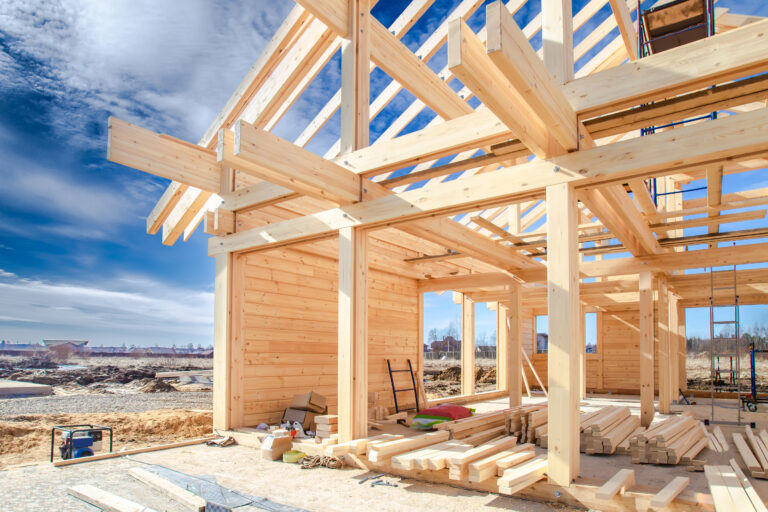
Next comes the structural phase, which includes exterior walls and trusses. At this point, the skeleton of the building is taking shape. Inspectors evaluate framing, connections, and overall structural integrity to confirm everything is built according to design and code.
The rough framing and roof covering stage follows. This is when the building starts to become weather-resistant. Inspecting roof installation and framing details helps prevent future leaks, sagging, or structural concerns.
One of the most critical phases is the pre-drywall inspection. Before insulation and drywall are installed, inspectors can evaluate electrical, plumbing, and HVAC systems while they are still fully visible. This is often the last chance to catch hidden issues before they are sealed behind walls.
Finally, the pre-closing inspection ensures the finished property meets expectations. This phase focuses on overall workmanship, system functionality, and any remaining defects that should be corrected before occupancy.
Why New Construction Phase Inspections Are Worth It
Many assume municipal inspections are enough, but those inspections are typically limited in scope and time. New construction inspections provide a more detailed and thorough review, focusing on quality, not just minimum code compliance.
These inspections offer peace of mind by verifying that construction is progressing properly. They also create accountability, ensuring that builders address concerns before moving forward.
Catching issues early is another major advantage. Problems identified during early phases are significantly easier and less expensive to fix compared to those discovered after completion. In some cases, these inspections can prevent major repairs down the line.
Additionally, new construction phase inspections can improve communication between all parties involved. Clear documentation and professional insights help ensure everyone is aligned and working toward the same standard of quality.
Common Issues Found During New Construction Phase Inspections
Even well-managed projects can have oversights. New construction phase inspections frequently uncover issues such as improper framing connections, missing structural components, or incorrect installation of roofing materials.
During pre-drywall inspections, it’s common to find plumbing leaks, improperly routed wiring, or HVAC systems that are not installed according to best practices. These are issues that would be extremely difficult to address once walls are closed.
At the final stage, inspectors may identify cosmetic defects, incomplete installations, or systems that are not functioning as intended. While some of these may seem minor, addressing them before closing ensures a smoother transition into the property.
When to Schedule New Construction Phase Inspections
Timing is critical for getting the most value out of new construction phase inspections. Each inspection should be scheduled just before the next phase begins, allowing time for corrections without delaying the project.
Coordinating with the builder is key. Open communication helps ensure inspections are conducted at the appropriate times and that any findings are addressed promptly.
FAQs About New Construction Phase Inspections
What is the purpose of new construction phase inspections?
The purpose is to identify defects or concerns at key stages of construction before they become hidden or more expensive to fix. These inspections provide an added layer of quality control throughout the building process.
Are new construction phase inspections necessary if the builder is reputable?
Yes. Even experienced builders can overlook details. New construction phase inspections offer an unbiased review to ensure everything meets expected standards.
How many inspections are typically recommended?
Most projects benefit from multiple inspections, including foundation, framing, pre-drywall, and final stages. The exact number can vary depending on the size and complexity of the build.
Will these inspections delay construction?
In most cases, no. When scheduled properly, new construction phase inspections fit seamlessly into the building timeline and can actually prevent delays by catching issues early.
Can issues really be fixed easily during construction?
Yes. Addressing problems during early phases is significantly easier and more cost-effective than making repairs after construction is complete.
Do these inspections replace municipal inspections?
No. They complement municipal inspections by providing a more detailed and comprehensive evaluation focused on quality and long-term performance.
New construction phase inspections are one of the smartest investments in any building project. By evaluating each stage as it progresses, they help ensure the final result is safe, sound, and built to last.